Many people running campaigns on Meta Ads find their accounts have been penalized or deleted due to rules related to AI-generated or AI-edited videos. Below, we’ll learn more about these Meta Ads rules.
Purpose of the Rule
The purpose of the guidelines on AI-generated and AI-edited videos is to regulate all advertisers that use AI-generated or AI-edited content, especially in certain categories or sectors, such as social issues, elections, and politics.
What Does the Rule Say?
The Meta Ads rule states that advertisers must disclose if an ad about social issues, elections, or politics includes an image, video, or audio that appears real but was created or edited using AI tools, particularly in the following cases:
-When a real person is shown saying or doing something they didn’t actually say or do.
-When a person appears real but doesn’t actually exist. When an event is shown that appears real but did not occur, or when images/videos of a real event that did occur are altered.
-Depicting a realistic event that supposedly occurred, but with an image, video, or audio recording of the event that is not real.
-Meta states that if the advertiser does not declare these specific situations, their ad may be rejected or removed. If the advertiser fails to declare it on several occasions, they may be penalized or have their ad account permanently closed.
Exceptions to the rule
It is important to note that the rule has some exceptions. For example, Meta states that advertisers are not required to indicate that the content was created or edited with AI if such AI creation or editing is inconsequential or irrelevant to the claim, or when the AI creation/editing is minimal or does not violate the rule because it does not “distort” reality. Permitted AI edits include the following:
-Adjusting the size of an image/video.
-Cropping an image/video.
-Color correction.
-Image/video sharpening adjustment.
Automatic AI tagging for ads
Meta states that if it detects AI-generated content, it can automatically apply tags to any ad. It’s important to note that this tagging applies to all types of ads (except those related to social issues, elections, and politics). This tag is usually found in the “three dots” or “About this ad” section next to any ad. When people click on this option, they will see the AI Information tag.
AI tags for organic content
Meta mentions that organic content must comply with additional tagging parameters, as much of this content must be declared as “AI-generated” when published, especially when it displays a realistic video or the published media gives the “appearance” of being authentic or real. It’s important to keep in mind that this rule can affect ads, especially when we decide to promote an organic post.
Examples of digitally created content that requires a tag on Facebook, Instagram, and Threads:
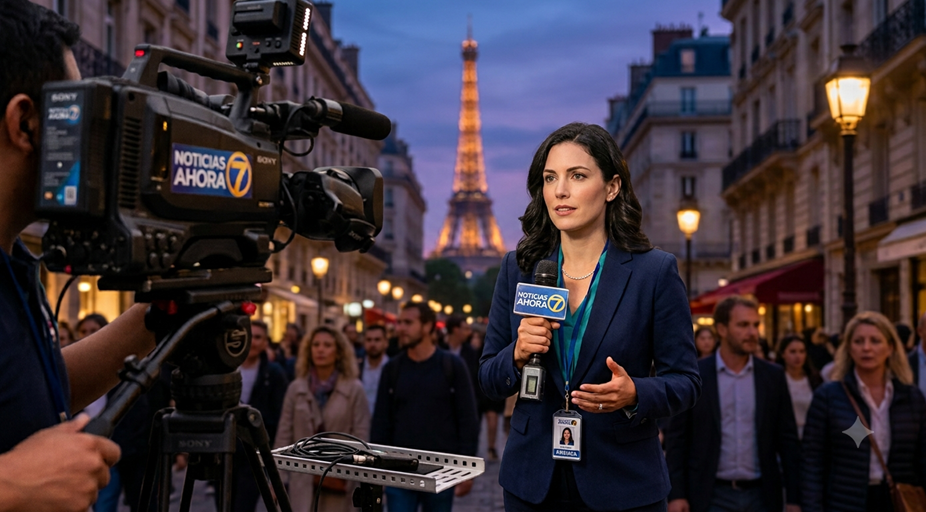
-A realistic-looking video of a group of people walking through an open-air market
-An audio file of two people talking
-A song created using AI-generated voices
-A video narrated with realistic AI-generated narration
Examples of digitally created content that do not require a tag:
-A video of an outdoor landscape, created in a cartoon-like style
-An image of a person riding a bull (Meta does not require an AI tag for images)
Personal and professional tips
Here are some personal tips on the subject (based on my professional experience):
– Always use Meta’s standard for social issues, elections, and politics (even if your business is in a different sector), as this is Meta’s strictest level and is often applied by Meta to other sectors (without prior notice).
– Avoid showing a real person in a video as if they said or did something they didn’t. This rule is very important and is the source of most AI-related violations.
– Regarding AI rules, it’s not recommended to promote an organic post, as this format has more rules (rules for organic content and rules for advertising). It’s best to publish or present an ad directly (without using an organic post).
– Don’t get carried away by AI trends. While there are many interesting AI tools on the market, the problem is that this activity is heavily regulated for advertising. We must keep in mind that the tool itself is one thing, and its “legality” is quite another. I only recommend using these types of tools when the created/edited video will not be used for advertising.
-If a real person appears in the video, it’s not necessary to use an “AI version” of that person in the video thumbnail, or for the AI editing to be so significant that it distorts the person’s real image. In this case, it’s best to use the person’s actual frame. If you do edit the video thumbnail, the editing should be very subtle and discreet. It’s important to keep in mind that many AI reports are submitted by users themselves, so it’s not advisable to use a thumbnail that doesn’t match what will be shown in the video.
-We must remember that users’ perceptions are constantly evolving and that AI content quickly becomes outdated. For example, when the DALLE 2 or 3 tool was released, many users were amazed by its realism, but now it looks obsolete. The same is true for various AI video creation/editing tools, which impress at launch but age poorly after a few months, leading to user complaints.
What are your thoughts on this? Have you had any issues with Meta Ads regarding rules about AI-generated/edited content?
If you need help with Meta Ads rules, you can contact me by visiting the following link.
2 thoughts on “Meta Ads guidelines for AI-generated videos”