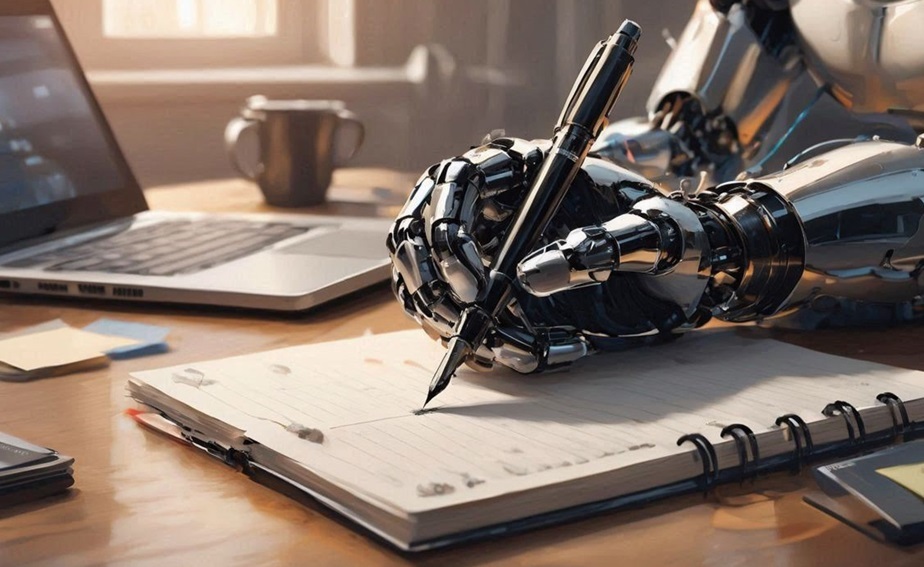
A couple of weeks ago, a former client contacted me and said, “How are you? Are you still working in SEO and paid online advertising?” I replied that I was, to which he asked, “Hasn’t AI taken your job?” I responded that no, quite the opposite had happened; the demand in those areas had increased.
While I understand that the question was perhaps a joke and well-intentioned, it made me reflect on some issues related to AI: 1. How people (who aren’t familiar with a specific area) tend to make generalizations about AI. 2. While AI creates solutions, it can also generate some problems (which can be solved by other professionals). 3. AI tends not to age well. Below, I’ll share my thoughts and reflections on these three points.
People tend to make generalizations about AI
The first point is about how people (who are not familiar with a specific area) tend to make generalizations about AI. For example, many people claim that AI will replace a certain profession or activity, but that activity is usually outside the person’s area of expertise. In the example mentioned, the person was an architect, but they believed AI would not affect their field; rather, it would affect other areas (such as SEO or online advertising). On the other hand, since I’m an expert in these areas, I’m sure that AI won’t affect SEO (quite the opposite, it will increase demand due to the ranking of AI LLM programs). But if I’m honest, since I’m not from the field of architecture, I might also (mistakenly) think that AI will replace architects. However, upon analysis, I realize I make that statement because I’m unfamiliar with or lack expertise in architecture.
Based on this, many people might think the same. For example, a web designer might think that AI will eliminate all writers but won’t affect their field, while a writer might think that AI will eliminate all web designers but won’t affect their field.
AI creates solutions but also generates some problems
Another interesting point is that AI creates solutions but also generates problems that other professionals can solve. In my specific case, I’ve noticed an increase in the number of websites penalized for SEO. When I conduct SEO audits, I see that one of the main reasons is the use of AI programs to create large volumes of low-quality content. There are also cases of people who created websites using AI for SEO, but when they don’t achieve good SEO results, they turn to me to fix all the SEO errors.
This also sometimes happens with paid online advertising, where many people are encouraged to run ads because ad platforms often tout their use of AI to create or improve their ads. While this may sound like a new development, the truth is that AI has been used on paid advertising platforms for over 10 years.
As we can see, in both cases, AI has generated several solutions but also created problems, especially when used inappropriately. What I do have to highlight about AI is that it allows some people to take that “first step,” whether it’s creating a website, generating written content, or creating their first ad. Although this first step is usually counterproductive, that initial mistake or bad experience ultimately allows the person to begin and then seek a professional to help them in that area, which can benefit the professionals who solve those problems.
AI Doesn’t Age Well
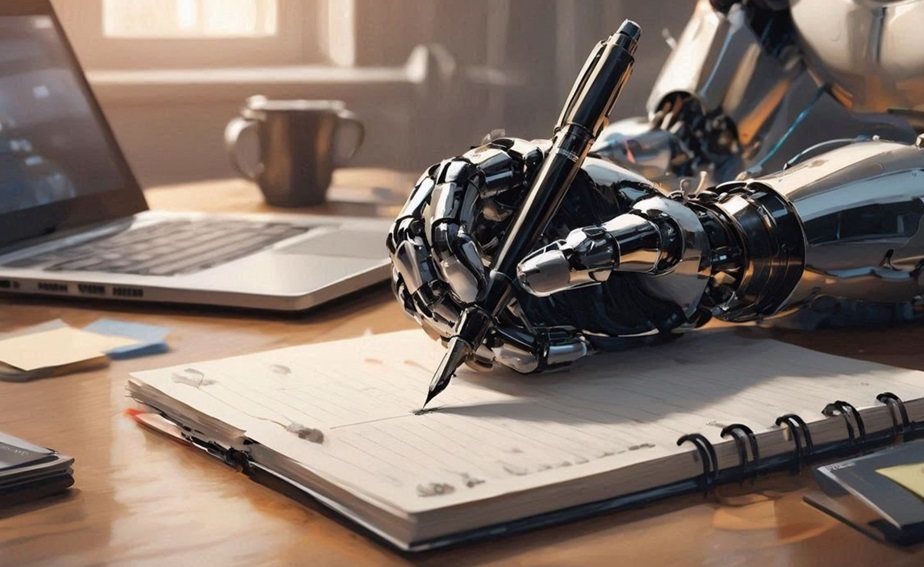
Another trend I’ve noticed is that AI often doesn’t age well. For example, an AI-generated image might be very innovative or attractive at the moment, but after a few months, it will look lower quality as AI tools become increasingly sophisticated. This is quite common in the SEO sector: clients generate AI-generated images for their blog or website, but after a few months, these images look low quality because new AI tools have emerged that improve image quality, making most of the previously generated images (with an older version of AI) look low quality.
For example, I recall a client who decided to stop using photographs on their website and blog and started using only AI-generated images. I suggested using real photographs (even if they were licensed under Creative Commons), as they don’t degrade in quality or reliability over time. The client ultimately decided to use AI-generated images, but after a year, it became clear they had aged poorly. This was because the human eye had learned to identify that type or pattern of image, and therefore now perceives them as “fake” or “outdated.” This wouldn’t have happened if the client had used real photographs, which don’t become outdated because the human eye recognizes them as real.
This also happens frequently with some ad creatives. An image or video created with AI might seem novel at first, but as months go by and more advertisers use the technology, users’ eyes learn to “identify” AI-generated content, and they tend to undervalue or simply ignore it.
This reminded me a lot of several CGI or digital effects movies from the 90s, which at the time seemed innovative or futuristic, but which aged very poorly after a few years. Some examples of this are certain scenes in Star Wars Episode I (1999), the Xenomorph in Alien 3 (1999), Tron (1982), and Spawn (1997), among others.
What are your thoughts on this topic? Do you have any thoughts on AI?
If you have any questions or comments on this topic, you can leave them below (comments section)